Very nice restaurant. I only missed the stir fried dishes which were shown on the internet. Rest of the food is great.
Overview
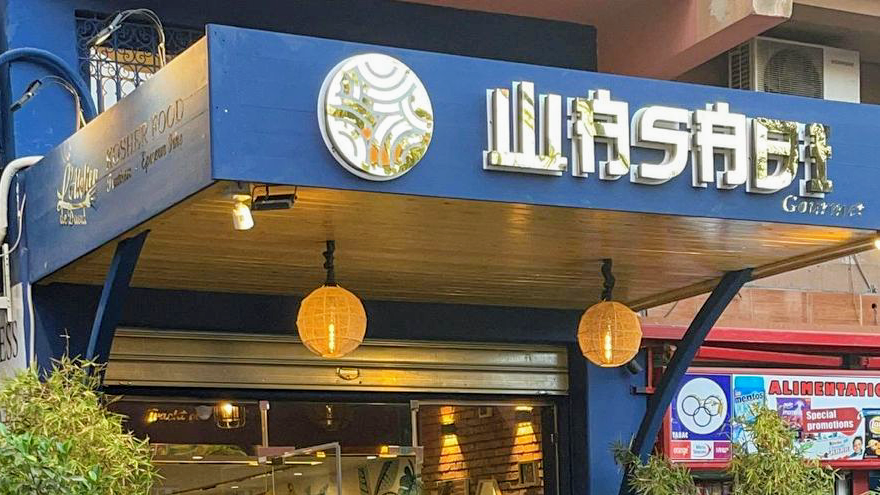
Tucked along 17 Rue Yougoslavie in the heart of Marrakech, Wasabi feels like a small culinary escape from the bustling rhythm of the medina. I first walked in on a warm evening after wandering through Gueliz, craving something lighter than tagine yet still full of character. The moment I stepped inside, the clean lines, minimalist décor, and subtle Japanese touches signaled that this wasn’t just another casual sushi spot-it was a place that takes its craft seriously.
The menu is carefully curated, blending classic Japanese staples with creative twists. You’ll find nigiri, sashimi, maki rolls, tempura, ramen, and even a few fusion plates that subtly nod to Moroccan flavors. On my first visit, I ordered a salmon sashimi platter and a spicy tuna roll. The fish was bright, fresh, and delicately sliced. That matters more than most diners realize. According to the Food and Agriculture Organization of the United Nations, proper cold-chain management is critical in preserving seafood quality and preventing foodborne illness. You can taste when a kitchen respects that process. Here, the texture was firm yet buttery, a clear sign that the sourcing and storage standards are solid.
What impressed me most was the rice. Sushi rice, or shari, often gets overlooked, yet chefs trained in Japanese cuisine emphasize that rice preparation accounts for nearly half of a sushi’s quality. The grains at Wasabi were glossy, lightly seasoned with rice vinegar, and held together without being sticky. I’ve spoken with professional chefs in hospitality workshops who cite the method taught by traditional sushi masters: rinse thoroughly, cook with measured precision, and season while still warm for optimal absorption. This attention to detail is evident in every bite.
A friend of mine, who runs a small import business and frequently travels between Europe and North Africa, joined me on a second visit. She’s notoriously critical of international cuisine outside its origin country. Her verdict? The shrimp tempura had a light, crisp batter that didn’t feel greasy, and the dipping sauce had the right balance of dashi, soy, and mirin notes. That kind of feedback carries weight because she regularly dines at well-regarded Japanese restaurants abroad.
Beyond sushi, the ramen deserves mention. The broth had depth-likely achieved through long, slow simmering. Culinary science research published by institutions like the Culinary Institute of America often highlights the Maillard reaction and collagen extraction in broth preparation as essential for developing layered flavor. Whether the kitchen follows that exact framework or not, the outcome suggests a patient, methodical process rather than shortcuts. The noodles were tender with just enough bite, and the toppings-from soft-boiled egg to sliced beef-felt thoughtfully assembled.
Service plays a crucial role in the overall experience. The staff were attentive without hovering, quick to explain menu items for guests unfamiliar with Japanese terms, and transparent about wait times during busier evenings. I noticed that when one table asked about gluten-free options, the server clearly outlined which rolls could be adjusted. That transparency builds trust. Reviews from regular diners often mention consistency, and from my own visits, I can confirm that the quality remains steady over time.
Location matters, too. Situated in Marrakech 40000, it’s easily accessible for both locals and tourists exploring modern neighborhoods outside the old city walls. Reservations are recommended during peak dinner hours, particularly on weekends. Prices are reasonable considering the imported ingredients and technical skill involved, though specialty platters can increase the bill slightly. That said, the value reflects craftsmanship rather than mere novelty.
No restaurant is perfect. On one particularly busy night, service slowed slightly, and a miscommunication delayed a side dish. However, the staff acknowledged it promptly and handled it professionally. That willingness to correct small issues strengthens confidence in the establishment.
From fresh sashimi and balanced ramen broth to well-executed tempura and thoughtful service, this Japanese restaurant in Marrakech delivers an experience grounded in technique, quality control, and genuine hospitality. It’s the kind of place you return to when you want reliability paired with flavor, where the menu feels intentional rather than overloaded, and where each plate demonstrates care from kitchen to table.
Good to know
Service options
✓ Outdoor seating ✓ No-contact delivery ✓ Delivery ✓ Takeaway ✓ Dine-inHighlights
✓ Great dessertPopular for
✓ Lunch ✓ Dinner ✓ Solo diningAccessibility
✓ Wheelchair-accessible car park ✓ Wheelchair-accessible entrance ✓ Wheelchair-accessible toiletOfferings
✓ Coffee ✓ Quick bite ✓ Small plates ✓ Vegan options ✓ Vegetarian optionsDining options
✓ Lunch ✓ Dinner ✓ Catering ✓ Dessert ✓ Seating ✓ Table serviceAmenities
✓ ToiletAtmosphere
✓ Casual ✓ Cosy ✓ TrendyCrowd
✓ Groups ✓ TouristsPlanning
✓ Reservations required ✓ Accepts reservationsPayments
✓ Credit cards ✓ Debit cards ✓ NFC mobile payments ✓ Credit cardsChildren
✓ Good for kidsParking
✓ ParkingPhotos
1 / 4
Location
Reviews
- No ratings yet 243 reviews
Wasabi is a very chic and cozy restaurant in the heart of Gueliz. Everything in there was well though out, from the lighting to the cutlery, which was very appealing. The service was very good, meticulous. The staff worked around the table lightly and the manager was able to recommend some meals and offer nice suggestions. We ordered many items on the menu, and we were all pleased by the quality of the food served. The mozzarella sticks were very tasty, not too dry nor too greasy, same with the chicken fingers. The sushi exceeded expectations : fresh, well done and the rice was perfectly cooked. It was astonishingly balanced. We also had the chicken skewers, you could tell the chicken wasn't industrial, the seasoning was perfect and the rice also very well cooked. As for the dessert, it was all homemade : mousse au chocolat or fondant au chocolat, both savory and gourmet. Overall it was an incredible experience, the price to quality ratio is excellent as everything was quite affordable and of high standards. The dinner itself really felt like a journey.
Kosher sushi and meaty restaurant. We had very delicious chicken spring rolls, and crispy chicken nuggets With dipping sauce to start. Main course burger and stir fry beef noodles. Very nice. Friendly service. Proper kashrut supervision with hechsher. Directly opposite Wasabi is the owners milky Italian Kosher Restaurant called Al Dente.
A nice sushi place, great food, reasonable prices, would recommend.
Oh come on are you coming to Morocco to Casablanca Marrakech you have to check out wasabi if not it's not a Morocco trip. The staff are amazing the food is amazing at both over there a few groups already it was amazing the service the food everyone is happy with it everyone comes out joyful enough they have a wonderful menus delicious delicious food better than in America whatever you think of it's just amazing it's quiet the service the price everything just matches up you can't go wrong with this
Extensive menu, everything we had was delicious - easily rivaling any food we have back in NYC - ended up returning to place orders for the rest of our trip. Had massive orders delivered to our hotel in record time, highly recommend to both kosher and non-kosher customers!